After understanding why wind makes you feel colder, the next question is simple:
👉 What should you actually do?
Most people respond by adding more gear:
- thicker sleeping bags
- heavier jackets
- stronger tents
But wind doesn’t work that way.
You don’t solve wind by adding more—you solve it by reducing exposure.
Step 1: Choose Your Position Before Anything Else
Your setup doesn’t start with your tent.
It starts with where you place it.
Look for Natural Wind Blocks
- trees
- bushes
- rocks
- terrain dips
👉 These reduce wind before it reaches you
nn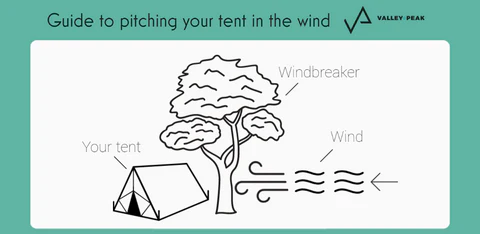
👉 A bad location cannot be fixed by a good setup
Step 2: Control the Direction, Not Just the Setup
Once you pick a spot, orientation matters.
Face the Wind the Right Way
- narrow side toward wind
- lower side toward wind
- avoid large flat surfaces facing wind
👉 Wind should hit and slide—not push directly
nn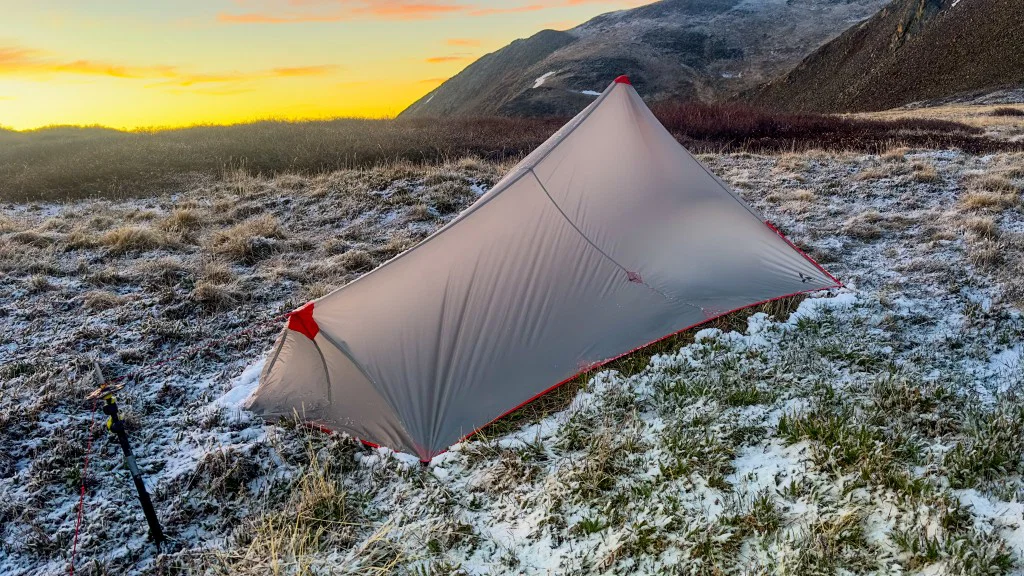
Step 3: Lower Your Profile
In wind, height is your enemy.
Reduce Exposure
- pitch tarp lower
- keep edges closer to ground
- reduce open space
👉 Smaller profile = less force
Step 4: Build Stability, Not Just Tension
Many people try to fix wind by pulling everything tighter.
That often makes things worse.
What Actually Works
- even tension across all points
- stable anchor points
- gradual adjustment
👉 Stability matters more than tightness
👉 This connects directly to:
- stakes
- guylines
- tensioners
Step 5: Control Movement and Noise
Wind becomes much worse when your shelter moves.
Reduce Flapping
- tighten loose panels
- avoid large unsupported surfaces
- adjust angles
👉 Less movement = less noise + less stress
Step 6: Accept Trade-offs
There is no perfect wind setup.
More Protection Means:
- less space
- less airflow
- less comfort
👉 You are always balancing:
- protection
- comfort
- usability
A Simple Rule That Works Almost Every Time
If you’re unsure what to do:
Lower, tighter, and facing away from the wind
👉 This solves most real-world situations
What Most People Get Wrong
❌ Trying to Fix Wind With Gear
👉 More insulation doesn’t stop wind
❌ Ignoring Location
👉 The wrong spot ruins everything
❌ Overcomplicating Setup
👉 Simple structures work best in bad conditions
The Real Takeaway
Wind is not something you “fight.”
It’s something you avoid, redirect, and reduce.
If you do that:
- your shelter becomes stable
- your system stays intact
- and your night becomes much more comfortable