Double-Wall vs Single-Wall Tents — What’s the Real Difference? Why Many Beginners Fall Into a Trap on Their First Night
Part 1: Why This Matters (Beginner’s Perspective)
If it’s your first time camping, you’ll probably focus on:
Does the tent look good?
How heavy is it?
What’s the waterproof rating?
But few people ask at the start:
Is this tent single-wall or double-wall?
And in reality, this choice directly determines whether you sleep comfortably through the night, or wake up to water dripping on your face at 3 AM.
Many beginners have experienced something like this:
You set up the tent, crawl in at night, everything feels normal.
Around midnight, the air starts feeling stuffy — even a bit damp.
Then when you shift in your sleep, your hand touches the tent wall — it’s wet.
A little while later, water starts dripping down.
At this point, it’s easy to jump to a conclusion:
“This tent leaks”
But in most cases, it doesn’t leak at all.
What you’ve experienced is one of camping’s most real problems:
Condensation
And the difference between double-wall and single-wall tents is essentially:
They handle condensation in completely different ways
Part 2: How Experienced Campers Think About This
If you browse European and American camping forums, YouTube, or Reddit, you’ll notice something interesting:
Few people argue about “which is better.” Instead, they ask:
“What environment will you use it in?”
They typically won’t say:
Single-wall is better
Or double-wall is better
Instead, they’ll say:
“It depends on where you’re camping, when you’re camping, and what tradeoffs you’re willing to accept”
🌲 A Typical Experienced Camper’s Decision Logic
Most European and American campers roughly categorize like this:
Beginners / Weekend Campers
Double-wall tent
The reasons are simple:
More stable
More forgiving
Requires less experience
Hiking / Ultralight Backpackers
Single-wall tent or tarp system
They care more about:
Weight
Pack size
Setup efficiency
But they also accept:
They need to “manage the environment” (wind, humidity, ventilation)
Rainy Regions / High-Humidity Environments
Like:
The UK
Scandinavia / Northern Europe
Pacific Northwest (PNW)
Many still prefer double-wall tents
Because these places share one characteristic:
Humidity is consistently high
📌 A Hard-Won Piece of Wisdom
Many experienced campers say something along these lines:
“Single-wall tents aren’t the problem — the problem is whether you have the experience to use them”
This is actually a crucial insight.
Single-wall tents aren’t bad; they’re just more demanding of the user.
Part 3: How They Actually Work (Step by Step)
This section skips complex theory and gets straight to helping you understand.
1️⃣ How Double-Wall Tents Work (Using an Everyday Analogy)
A double-wall tent is like wearing two layers of clothing:
Outer layer: windproof and rainproof
Inner layer: breathable and comfortable
There’s a small gap in between.
When you breathe inside the tent:
Moisture is produced
Moisture tries to escape outward
It hits the outer fly → turns into water droplets
But because there’s an inner tent:
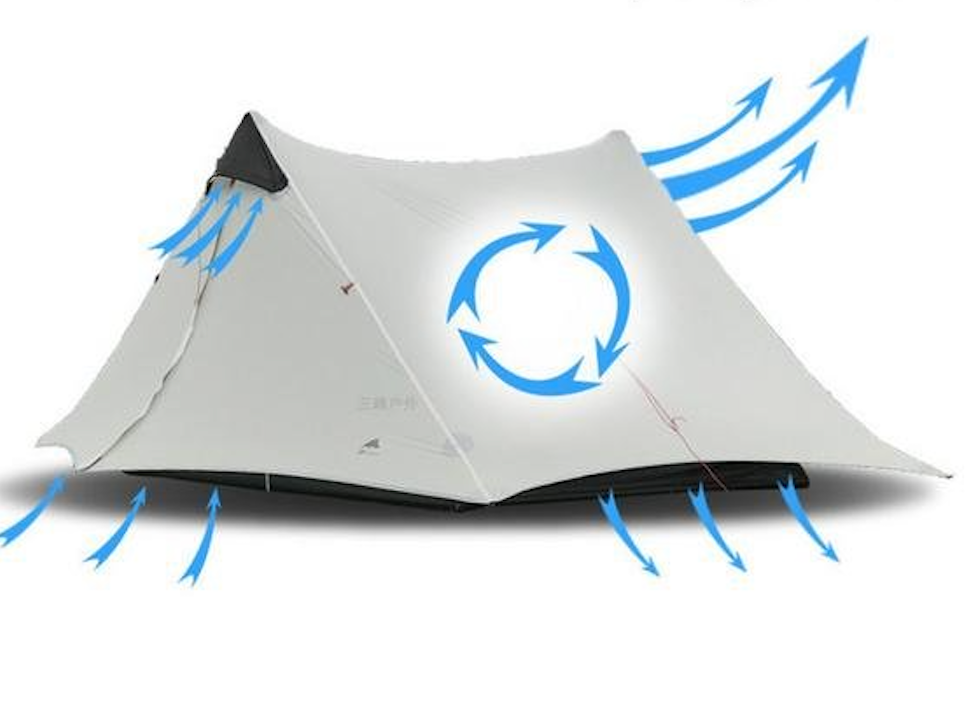
The droplets never touch youDouble-wall tent structure cross-section showing the air gap
2️⃣ How Single-Wall Tents Work (More Direct, More Demanding)
A single-wall tent is like:
Wearing only a “waterproof jacket” that also has to breathe
The problem is:
Waterproofing and breathability are fundamentally at odds with each other
When you breathe inside:
Moisture directly contacts the inner tent wall
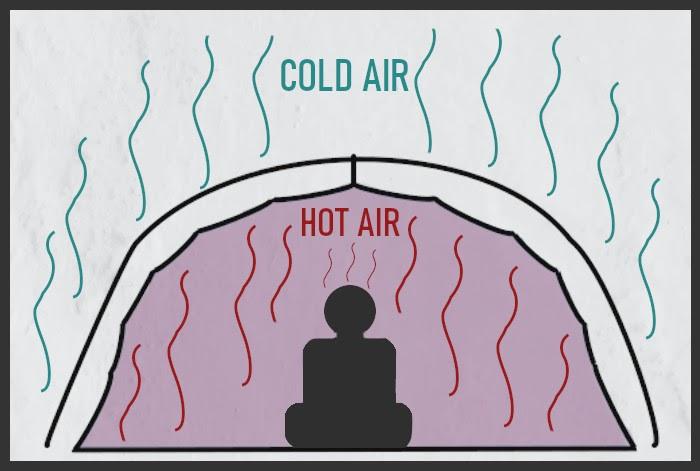
The inner wall is cold
Moisture directly turns into water droplets
Single-wall tent condensation formation process
3️⃣ A Real Night Comparison
Let’s use the most common scenario:
Spring or autumn camping, with significant temperature swings
🌙 What Happens at Night:
Ground is wet (grass)
Air humidity is high
Temperature drops
You get into the tent and go to sleep.
In a Single-Wall Tent:
Your breathing produces moisture
Moisture can’t vent effectively
Inner walls start condensing
Around 4 AM when you roll over:
Your body touches the wall
Water transfers directly onto you
In a Double-Wall Tent:
Moisture passes through the inner tent
Condenses on the outer fly
Inner tent stays dry
You barely notice it
4️⃣ So Which Should You Choose? (Actionable Guide)
If you want a simple decision framework:
✅ Choose Double-Wall if you are:
Camping for the first time
Occasional camper (not a hardcore enthusiast)
Camping on grass / by lakes / in mountains
Don’t want to research technical details
You’ll be more comfortable
✅ Choose Single-Wall if you are:
Pursuing ultralight weight
Willing to accept some moisture
Willing to learn about site selection and ventilation
You’ll be more efficient
Part 4: Common Mistakes (Very Important)
❌ Mistake 1: Confusing Condensation with Leaking
This is the most common misconception.
Many people immediately return the tent
But the problem isn’t the tent — it’s:
Basic physics
❌ Mistake 2: Ignoring Ventilation
Many people do this:
Pull the tent super tight
Seal all openings
Thinking it makes them “safer.”
But the result:
No airflow → condensation gets worse
❌ Mistake 3: Poor Campsite Selection
Like:
Low-lying areas
Near water sources
Places with very thick grass
These spots:
Have much higher humidity
Part 5: Advanced Tips
💡 Tip 1: Campsite Location Matters More Than the Tent
Experienced campers prioritize:
Slightly breezy locations
Slightly elevated ground
Airflow is more important than any tent
💡 Tip 2: Use the Vestibule Smartly
Don’t put everything inside the tent:
Shoes
Wet clothes
These are all moisture sources
💡 Tip 3: Deal with Condensation in the Morning
Many experienced campers have this habit:
Ventilate first thing in the morning, then pack up
They’ll even:
Turn the tent inside out
Let it air dry for a bit
Part 6: Summary
If you just want a simple takeaway:
Beginners should prioritize double-wall tents
They’re not the lightest, but they’re the most “forgiving.”
Single-wall tent advantages are clear:
Lighter weight, simpler design
But the tradeoff is:
You need more experience
Part 7: Q&A
Q1: Is there a tent that “never condenses”?
No.
Condensation is a physical phenomenon, not a product defect
Q2: Then why do people still insist on single-wall tents?
Because they value:
Weight
Pack size
Efficiency
And they know how to manage their environment.
Q3: Can I start with a double-wall tent and switch later?
This is the most common — and most reasonable — path.
Many campers have followed this exact journey