When a shelter fails in wind, people usually blame the obvious:
- weak stakes
- bad gear
- cheap materials
But most of the time, that’s not the real reason.
Shelters don’t fail because they are weak.
They fail because the force is not controlled.
Wind Is Not One Force — It’s Repeated Impact
Wind is not just “pushing” your shelter.
It creates:
- constant pressure
- sudden gusts
- repeated impact
👉 So the problem is not strength
👉 It’s how your system handles repeated load
A Shelter Is a System
Your tarp or tent is not one thing.
It’s a chain:
- fabric
- guylines
- stakes
- ground
👉 Wind moves through this chain
👉 If one part fails → everything fails
Where Failure Actually Starts
Failure rarely happens instantly.
It builds up.
1. Uneven Load
One side takes too much force.
👉 This creates stress concentration
2. Movement
- fabric flaps
- lines vibrate
- stakes loosen
👉 Each movement reduces stability
3. Wrong Direction
Large surface facing wind = maximum force
👉 This multiplies load instantly
What Actually Works in Wind
Instead of trying to “fight wind”, you need to:
👉 reduce, absorb, and distribute force
1. Reduce Force (Before It Enters the System)
👉 Fix direction first
- face narrow side into wind
- avoid flat surfaces facing wind
- lower the windward edge
👉 This alone can reduce most problems
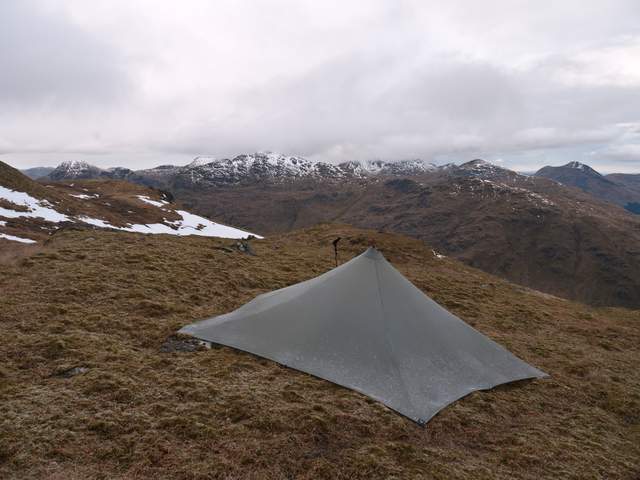
2. Absorb Force (Instead of Taking It Directly)
This is where most setups fail.
They are too rigid.
👉 Use shock cord on guylines
Add a small elastic section at the end of your guyline.
👉 Why it works:
- absorbs sudden gusts
- reduces peak force
- protects stakes and fabric
Instead of:
wind → impact → failure
You get:
wind → stretch → reduced force
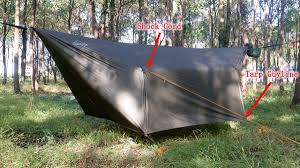
👉 This is one of the simplest upgrades you can make
3. Distribute Force (Don’t Let One Point Take Everything)
👉 Spread your anchors
- use more guylines if needed
- widen anchor angles
- avoid one “main load point”
👉 More points = less stress per point
👉 Balance tension
- don’t overtighten one side
- adjust gradually
- aim for even load
👉 Stability > tightness
4. Lower the Profile
Height creates force.
👉 Go lower in wind
- reduce exposed surface
- keep edges closer to ground
- close unnecessary openings
👉 Smaller profile = less wind pressure
5. Control Movement (Not Just Strength)
Wind damage often comes from movement, not force alone.
👉 Reduce flapping
- tighten loose panels
- adjust angles
- remove large unsupported fabric areas
👉 Less movement = less stress + less noise
A Simple Rule That Works
If you remember nothing else:
Lower it, face it, and let it flex
- lower = reduce force
- face = control direction
- flex = absorb impact
👉 That’s enough to handle most wind situations
The Real Takeaway
Wind doesn’t break your shelter.
Uncontrolled force does.
When you:
- reduce exposure
- absorb impact
- distribute load
👉 your shelter stops fighting wind
👉 and starts working with it