1. You’re Not Packing Gear — You’re Packing Uncertainty
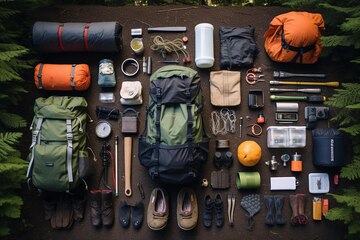
When most people pack for a trip, they’re not really choosing what they need.
They’re trying to cover every possible situation:
- What if it gets cold? → Bring more clothes
- What if I run out of water? → Carry extra
- What if something breaks? → Pack a backup
- What if it’s inconvenient? → Add another tool
Every “what if” turns into one more item.
The problem is: there’s no end to this.
Uncertainty is unlimited — and if your strategy is to prepare for everything, your pack will keep growing until it becomes the problem itself.
That’s why many people feel exhausted after a trip.
It’s not the outdoors.
It’s the fact that they’ve been carrying an entire system of worst-case scenarios on their back.
2. The Water Problem: Solving It With Weight Is Usually the Worst Way
Water is one of the most common mistakes beginners make.
The thinking usually goes like this:
“I can’t run out of water.” → “So I’ll bring extra.” → “Just to be safe, even more.”
On the surface, that feels responsible.
But let’s break it down properly.
Before deciding how much to carry, there are four better questions:
- Are there water sources along the route?
- Are there refill points (shops, campsites, people)?
- How much do I actually need?
- What’s the real worst-case scenario?
If water is available — even if not perfectly reliable — then carrying everything from the start is usually inefficient.
Because water has three important characteristics:
- It’s heavy
- It’s often available along the way
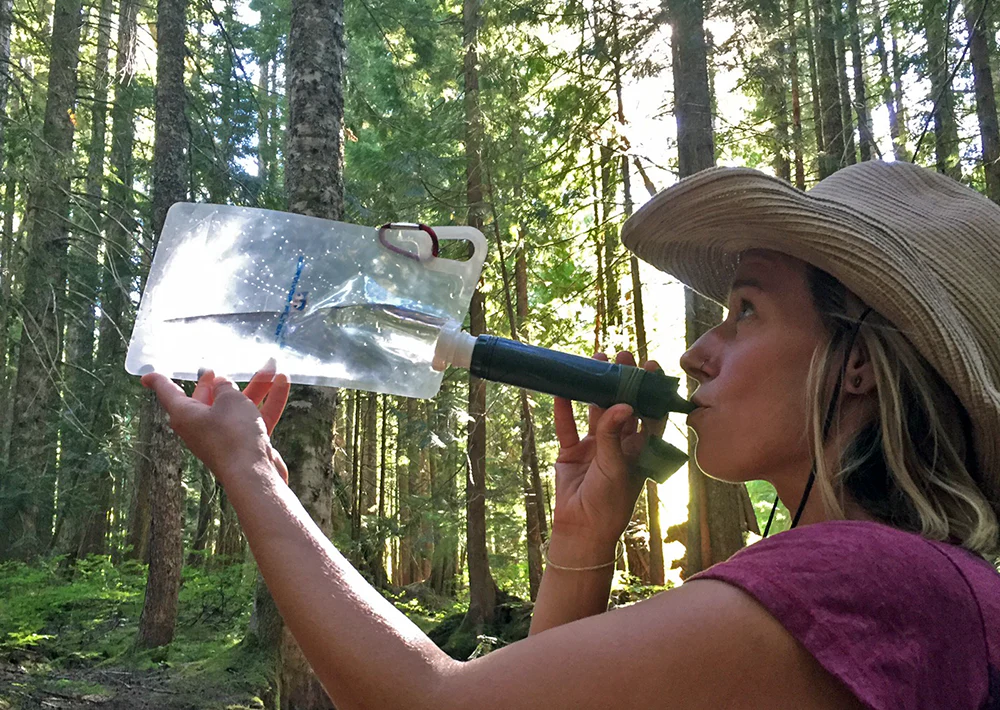
- It has alternatives (filters, purification, borrowing, resupply)
More experienced campers don’t solve water by carrying more.
They solve it by combining:
- Base water supply
- A lightweight purification method
- Route awareness
In other words:
👉 They don’t solve the problem with weight
👉 They solve it with strategy
3. Clothing: The Problem Isn’t Quantity — It’s Lack of a System
A common beginner packing list looks like this:
- One set for daytime
- One for sleeping
- One spare
- Extra for warmth
- Extra “just in case”
But in reality, you’ll notice something:
👉 You end up wearing the same core pieces most of the time
The issue isn’t that you didn’t bring enough clothes.
It’s that you don’t have a layering logic.
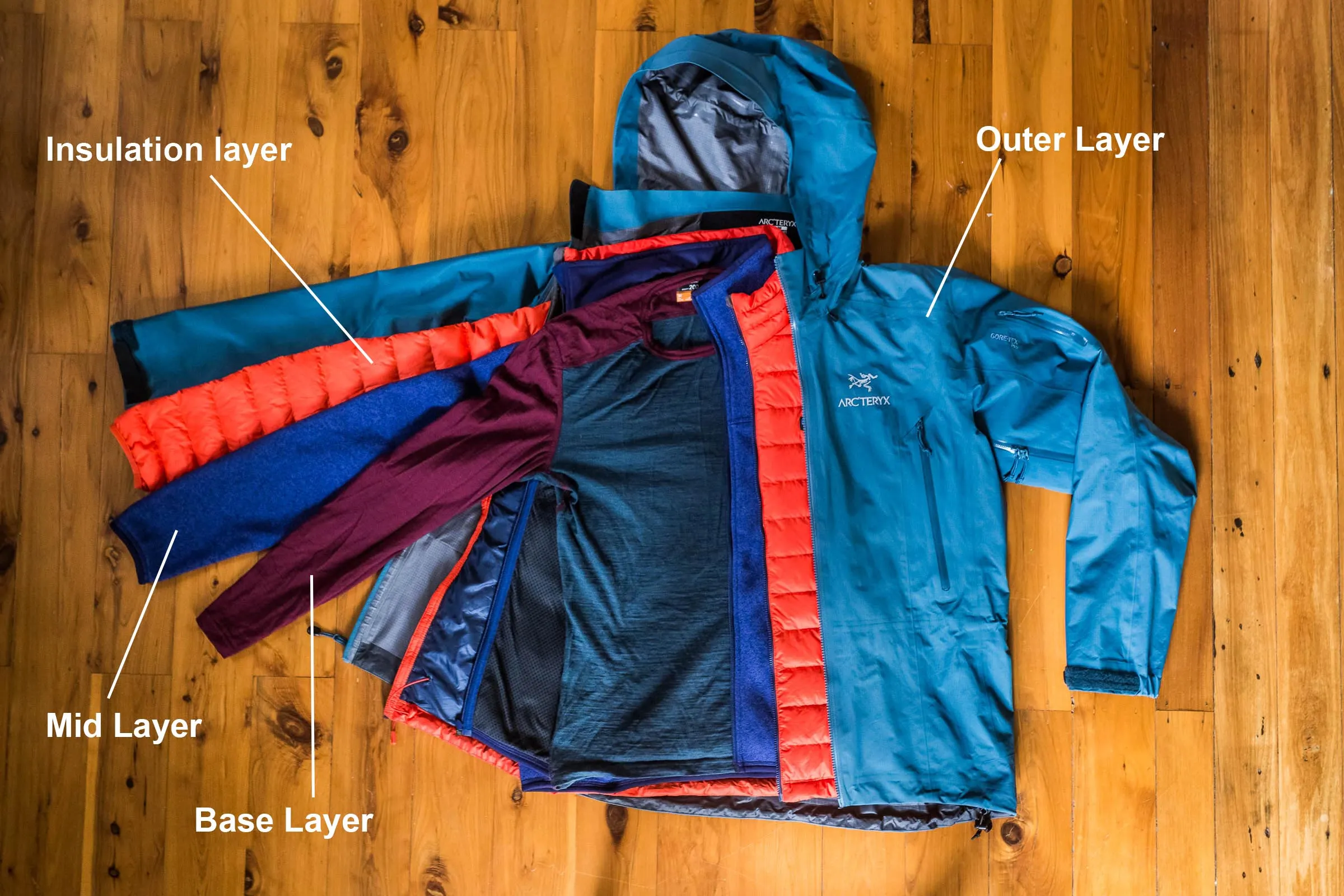
A much more effective approach is simple:
👉 Add warmth when cold
👉 Add a shell when there’s wind or rain
👉 Remove insulation when you get hot
You’re not switching outfits — you’re adjusting combinations.
A Common Mistake
Many people think:
“If it might get cold, I’ll just bring a thicker jacket.”
But that often doesn’t solve the problem.
A better system is:
👉 A moderate insulation layer + a shell layer
This allows you to:
- Adapt to different conditions
- Stay flexible
- Avoid carrying single-use items
Why This Works Better
Because you’re increasing:
👉 Function per item, not number of items
Instead of packing for every scenario, you’re building a system that can adjust.
4. Cooking Setup: Are You Trying to Eat — or Rebuild a Kitchen?
This is where gear explodes for a lot of people.
What starts as:
- One stove
- One pot
Slowly turns into:
- Multiple pots
- Backup stove
- Extra fuel
- Utensils
- Cleaning gear
- Condiments
At some point, you’re not camping anymore.
👉 You’re transporting a portable kitchen.
The real question should be:
What am I actually trying to do?
If the goal is simply:
👉 Get calories in
Then the system can stay simple.
If the goal is:
👉 “Cook like at home”
Then you’re choosing a heavier, more complex system — and that’s fine, as long as it’s intentional.
The Hidden Cost of Complexity
More gear doesn’t just mean more weight.
It means:
- More setup time
- More cleanup
- More failure points
- More decisions
And that complexity quietly eats into your experience.
5. Lighting: It’s Not About Having More — It’s About Structure
Many people keep adding lights:
- Headlamp
- Lantern
- Backup light
- Phone flashlight
- Extra just in case
But the issue isn’t lack of light.
It’s lack of structure.
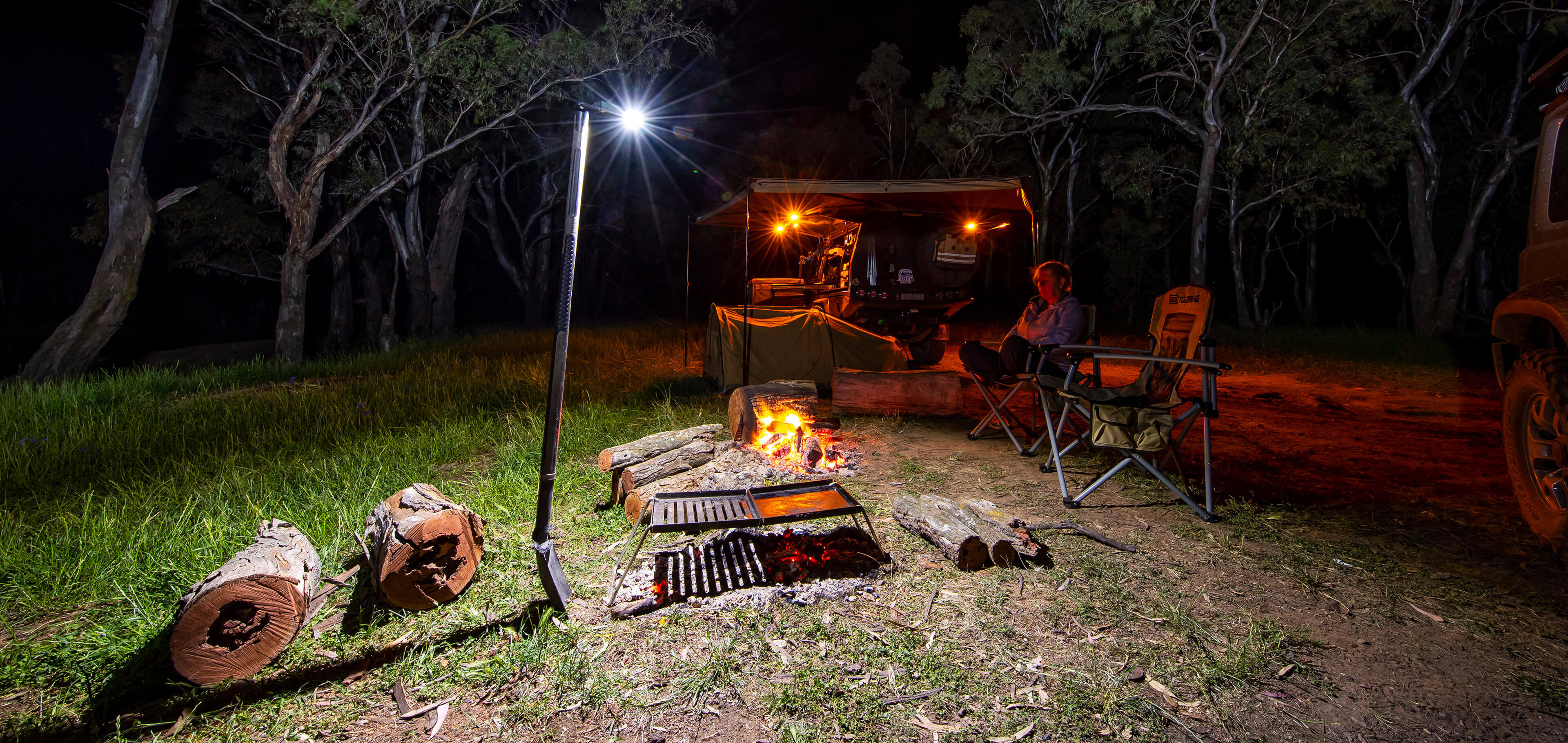
You really only need two functions:
1. Movement
Headlamp — hands-free, follows your vision
2. Fixed use
A stable light source for camp tasks
That’s it.
Anything beyond that often adds more confusion than benefit.
A Better Way to Think About It
Instead of asking:
👉 “Do I have enough lights?”
Ask:
👉 “Do I have a clear way to use light?”
Even better:
👉 Can I reduce my need for light by adjusting my timing?
That’s a higher-level solution.
6. The Real Problem: You’re Stacking Solutions Instead of Designing a System
All these examples point to the same issue.
The beginner approach:
👉 Problem → add something
Cold → add clothes
Water → carry more
Cooking → add gear
Lighting → add devices
This is additive thinking.
The problem is:
Every added solution increases complexity.
And complexity creates new problems:
- Harder setup
- Harder packing
- More mistakes
- More time spent managing gear
More experienced campers think differently:
👉 Not “what can I add?”
👉 But “how can I make the system work better?”
Examples:
- Cold → improve sleep system, not just clothing
- Water → plan resupply instead of carrying more
- Light → adjust schedule instead of adding lights
👉 They reduce variables instead of increasing them
7. The Most Important Shift: Focus on Consequences, Not Possibilities
This is the key decision skill.
Most people think:
👉 “What if this happens?”
A better question is:
👉 “If it happens — what’s the consequence?”
You can divide situations into three types:
1. Minor discomfort
A bit cold, slightly inconvenient → Acceptable
2. Reduced comfort
Not ideal, but manageable → Can adjust
3. Real risk
Safety issue → Must solve
Only the third category truly requires gear.
Everything else?
👉 You’re often paying weight for peace of mind — not necessity.
8. Why Your Gear List Keeps Growing
Because you remember problems — but not outcomes.
After a trip, you think:
- “It was a bit cold” → bring more
- “That was inconvenient” → add something
But you rarely ask:
👉 What did I bring that I never used?
Without that feedback loop, your system becomes:
👉 Add only, never subtract
More experienced campers do the opposite:
- Identify unused items
- Remove redundancies
- Simplify
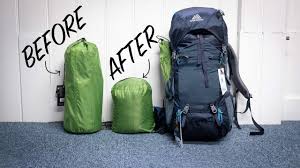
Progress doesn’t come from adding.
👉 It comes from removing.
9. A Simple Decision Framework You Can Use
Before adding any item, ask:
- What happens if I don’t bring it?
- Is that consequence serious?
- Is there an alternative?
- How likely is it to happen?
Only bring it if:
- The consequence is serious
- There’s no good alternative
- The likelihood is not low
Otherwise:
👉 It’s probably unnecessary
10. The Hidden Cost of Complexity: It Steals Your Time
The biggest cost of overpacking isn’t weight.
It’s time.
Think about a typical trip:
At home:
- Sorting
- Checking
- Packing
- Repacking
At camp:
- Setting up
- Organizing
- Adjusting
When leaving:
- Breaking down
- Repacking
- Checking again
Back home:
- Cleaning
- Drying
- Storing
👉 It can easily take half a day — or more
Many people feel tired after camping not because of the environment…
But because:
They spent most of their time managing gear instead of enjoying the outdoors
11. Final Thought
You don’t carry too much because you need it.
You carry too much because you don’t yet trust your decisions.
Real progress in camping isn’t:
👉 Bringing more
It’s:
👉 Knowing what you can leave behind — and how to deal with it when you do