Most people think guylines are simple.
You pull them tight, and the tent becomes stable.
But if you’ve camped in wind, you’ve probably seen this:
- one side is tight, the other is loose
- fabric starts flapping
- tension disappears overnight
👉 even though everything looked fine at first
The problem is not how hard you pull.
It’s how the force is distributed across the system.
A Guyline Doesn’t Add Strength — It Distributes Force
Your tent is constantly under load:
- wind pushes on the fabric
- that force travels through the structure
- and ends up at your anchors
Guylines don’t “hold” the tent by themselves.
👉 They spread that force across multiple points.
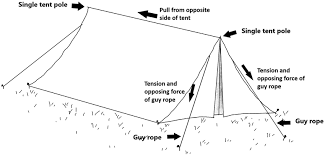
The Common Mistake: Uneven Tension
Most people do this:
- tighten one guyline fully
- then move to the next
This creates imbalance:
- one point takes most of the load
- others become ineffective
👉 The result:
- uneven stress
- structure distortion
- early failure in wind
Think in Terms of Balance, Not Tightness
A stable setup is not the tightest one.
It’s the most balanced one.
👉 You should aim for:
- equal load sharing
- smooth tension across surfaces
- no single point overloaded
What Proper Tension Feels Like
A correctly tensioned guyline should be:
- firm, but not rigid
- slightly elastic under pressure
- responsive when you press the fabric
👉 If it feels like a rigid line:
you’ve probably overtightened
👉 If it feels slack:
the system isn’t engaged yet
The Right Way to Tension Guylines
1. Start Loose, Not Tight
After staking:
- leave all guylines slightly loose
👉 This gives you room to balance the system
2. Tension Gradually Across All Points
Work around the tent:
- adjust one line slightly
- move to the next
- come back again
👉 Think of it like tuning—not pulling
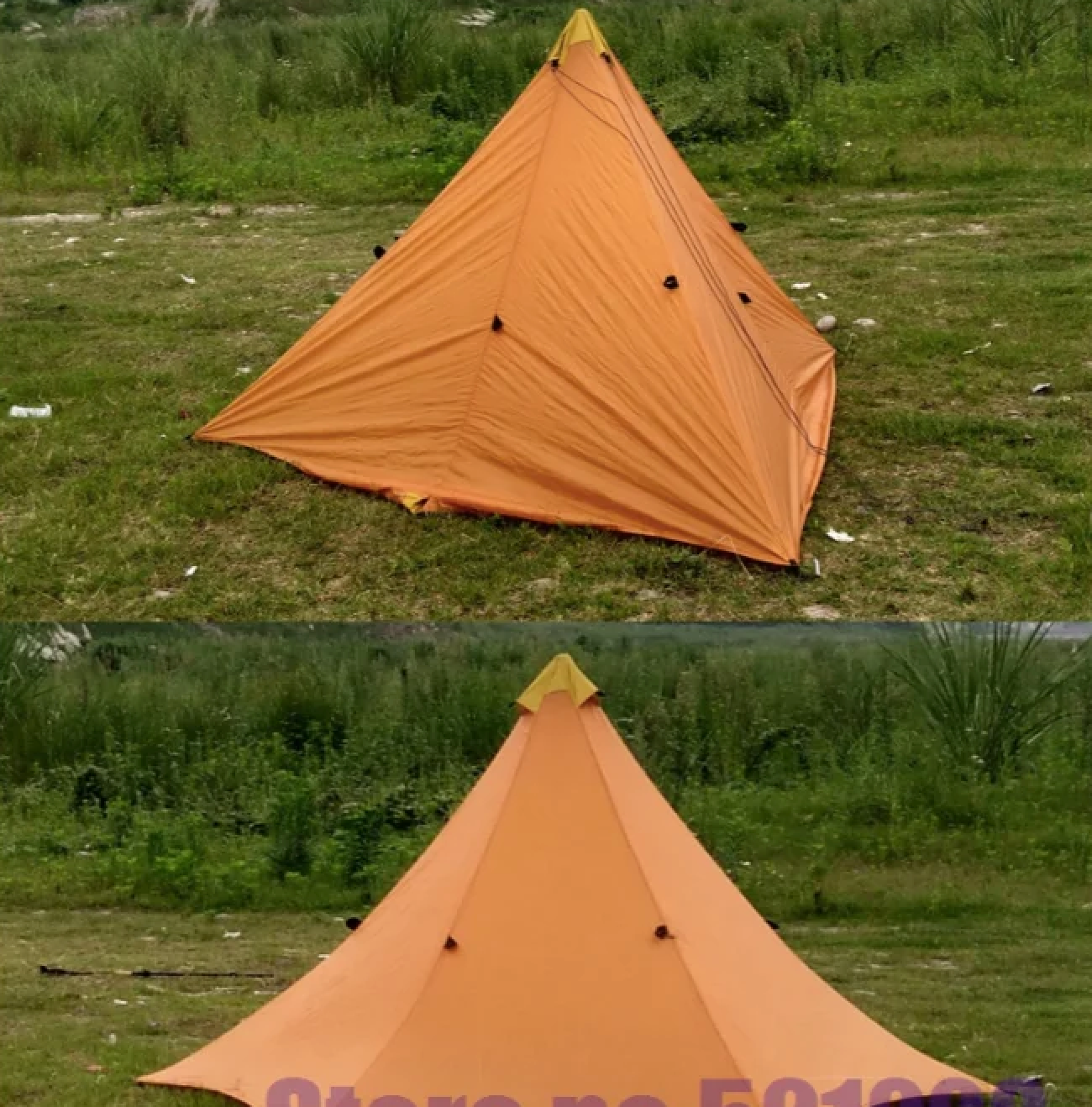
3. Watch the Fabric, Not the Line
Don’t judge by the line alone.
Look at:
- fabric shape
- ridgelines
- panels
👉 Smooth, clean lines = good tension
4. Avoid Over-Tensioning
Too much tension can:
- deform poles
- stress seams
- reduce flexibility in wind
👉 A slightly flexible system handles wind better than a rigid one
5. Let It Set, Then Adjust Again
Just like stakes:
- tension changes after setup
- materials settle
👉 Always do a second adjustment
What Changes at Night
Even if everything looks perfect at sunset:
- temperature drops
- moisture increases
- materials relax
Especially with nylon:
- it absorbs moisture
- it stretches
- tension drops
👉 That’s why your tent often feels looser at night
Before Sleep: One Last Check
Before going to sleep:
- walk around your tent
- re-tension all guylines
- check overall balance
👉 This single step prevents most night-time issues
Wind Changes the Game
In wind, tension isn’t static.
It becomes dynamic:
- force shifts constantly
- load moves between anchors
👉 If your system isn’t balanced:
- one point takes too much load
- failure spreads quickly
3 Practical Insights
Tip 1 — Tight ≠ Stable
Overtightening often makes things worse.
Tip 2 — Balance Beats Strength
Even moderate tension works if it’s evenly distributed.
Tip 3 — Watch the Fabric
The fabric tells you more than the lines do.
The Real Takeaway
Guylines are not about pulling harder.
They are about controlling how force moves through your shelter.
Once you understand that:
- 👉 you stop chasing tightness
- 👉 you start building stability