Part 1: You Think It’s the Uneven Ground, But That’s Just the Surface Problem
Many people after their first camping trip all share the same experience:
- Tossing and turning all night
- Light sleeping
- Waking up easily
- Feeling even more tired the next day
The most common explanation:
“The ground is too hard, uneven, uncomfortable”
But if you camp more often, or try different sleeping pads, you’ll slowly discover:
Even with a good sleeping pad, you still don’t sleep well
This reveals a deeper problem:
What affects your sleep isn’t just the “hardness” of what you’re lying on — it’s the entire environment continuously “interrupting you”
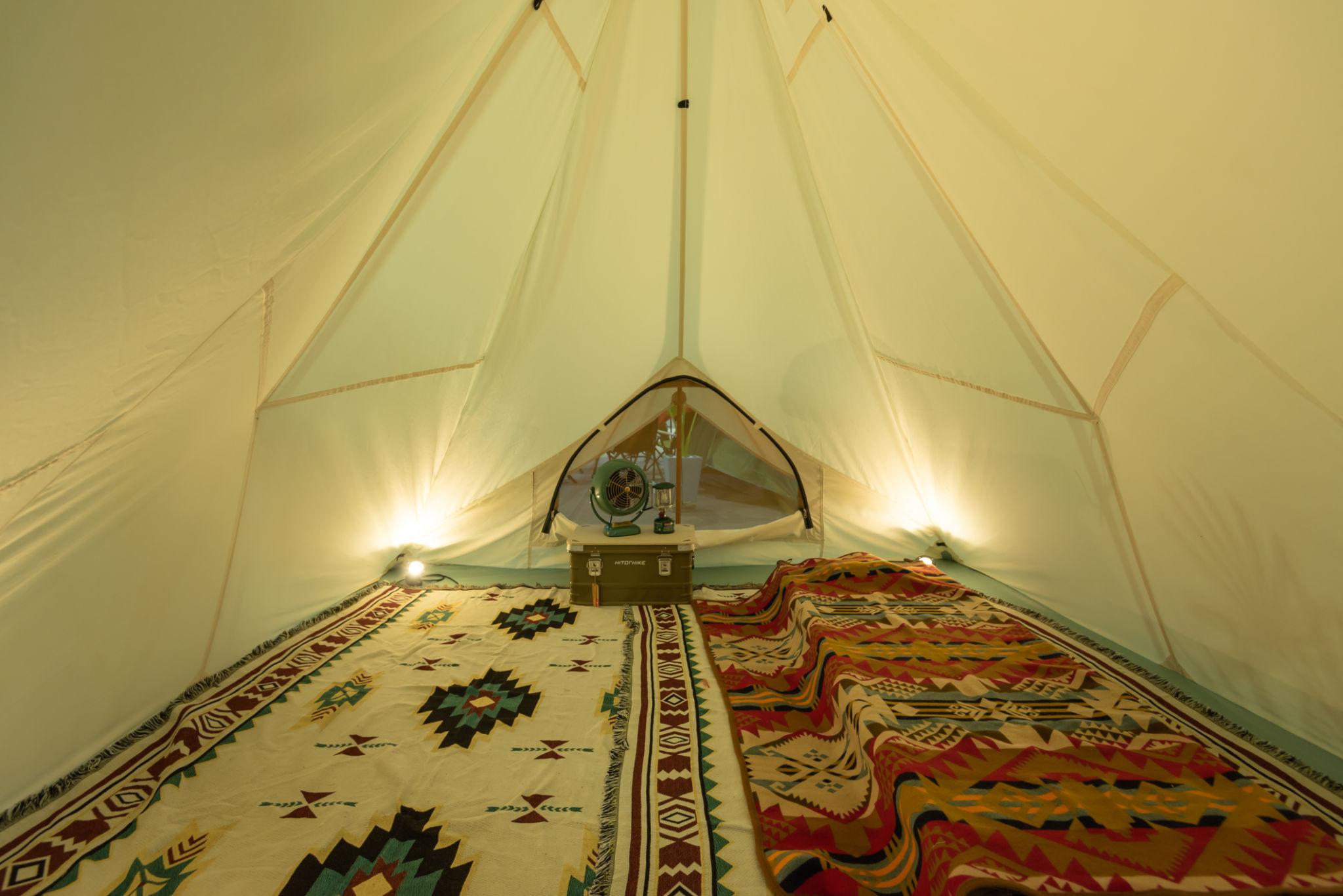
Part 2: You Actually Weren’t Not Sleeping — You Were Just in “Light Sleep” All Night
Many people say:
“I feel like I didn’t sleep at all night”
But from a physiological perspective, most of the time you actually did sleep — just:
You didn’t enter stable deep sleep
Sleep is Actually Layered
Simple understanding is enough:
- Light sleep: easy to wake up, sensitive to environment
- Deep sleep: body truly recovers
- REM: dreaming stage
In camping environments, the most common situation is:
Light sleep gets constantly interrupted → hard to enter deep sleep
So you didn’t not sleep — you just didn’t sleep “deeply”
Part 3: Your Brain Didn’t “Shut Down” — It’s On Duty
This is the core of the entire problem.
In familiar environments, the brain can safely “delegate,” entering deep rest.
But in outdoor environments, the brain automatically enters a state:
Low-level alertness
This state is characterized by:
- More sensitive to sounds
- More sensitive to changes
- Easier to wake up
- Harder to continuously relax
This isn’t a psychological problem — it’s: physiological instinct
You can think of it as: You’re sleeping, but your brain is “working the night shift”
Part 4: Why Sound Affects This Much (More Serious Than You Think)
Sound isn’t simply “noisy or not” — it’s:
Whether it’s predictable
Two Completely Different Types of Sounds
#### ✔ Predictable Sounds (Easy to Adapt To)
- Air conditioning
- Urban background noise
- Continuous wind sound
The brain automatically ignores these
❌ Unpredictable Sounds (Most Affecting Sleep)
- Tent fabric suddenly flapping
- Guy ropes swaying
- Branches rubbing
- Sudden gusts of wind
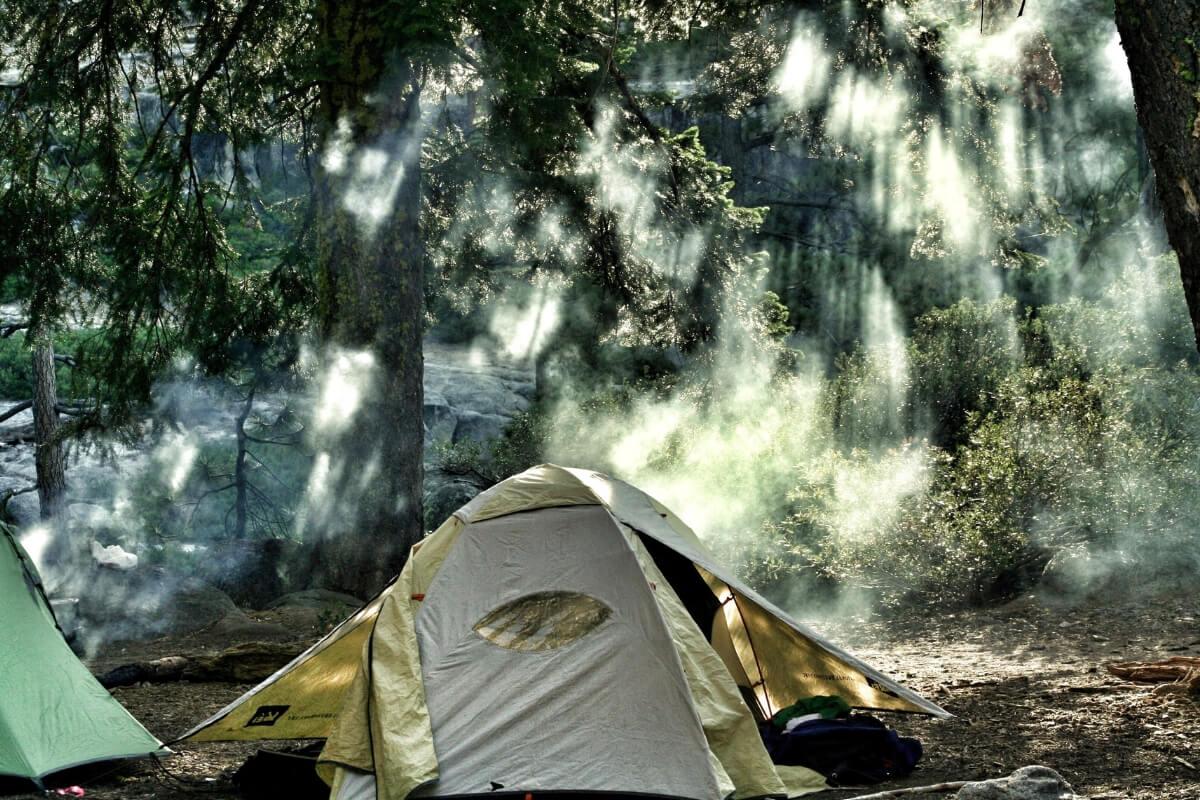
The problem with these sounds: no pattern
The brain keeps asking: “What is that?”
Result: Constantly interrupted
Part 5: It’s Not Cold — It’s “Your Body Is Constantly Adjusting”
Many people think poor sleep is because of cold.
But more accurately:
Temperature is changing
What You’ll Experience:
- Fine when you first lie down
- Gets cold in the middle of the night
- Even colder at dawn
What Happens?
Your body constantly:
- Constricts blood vessels
- Adjusts metabolism
- Slightly wakes up
These changes won’t fully wake you up
But they will: Repeatedly pull you out of deep sleep
So you feel: “Constantly waking up”
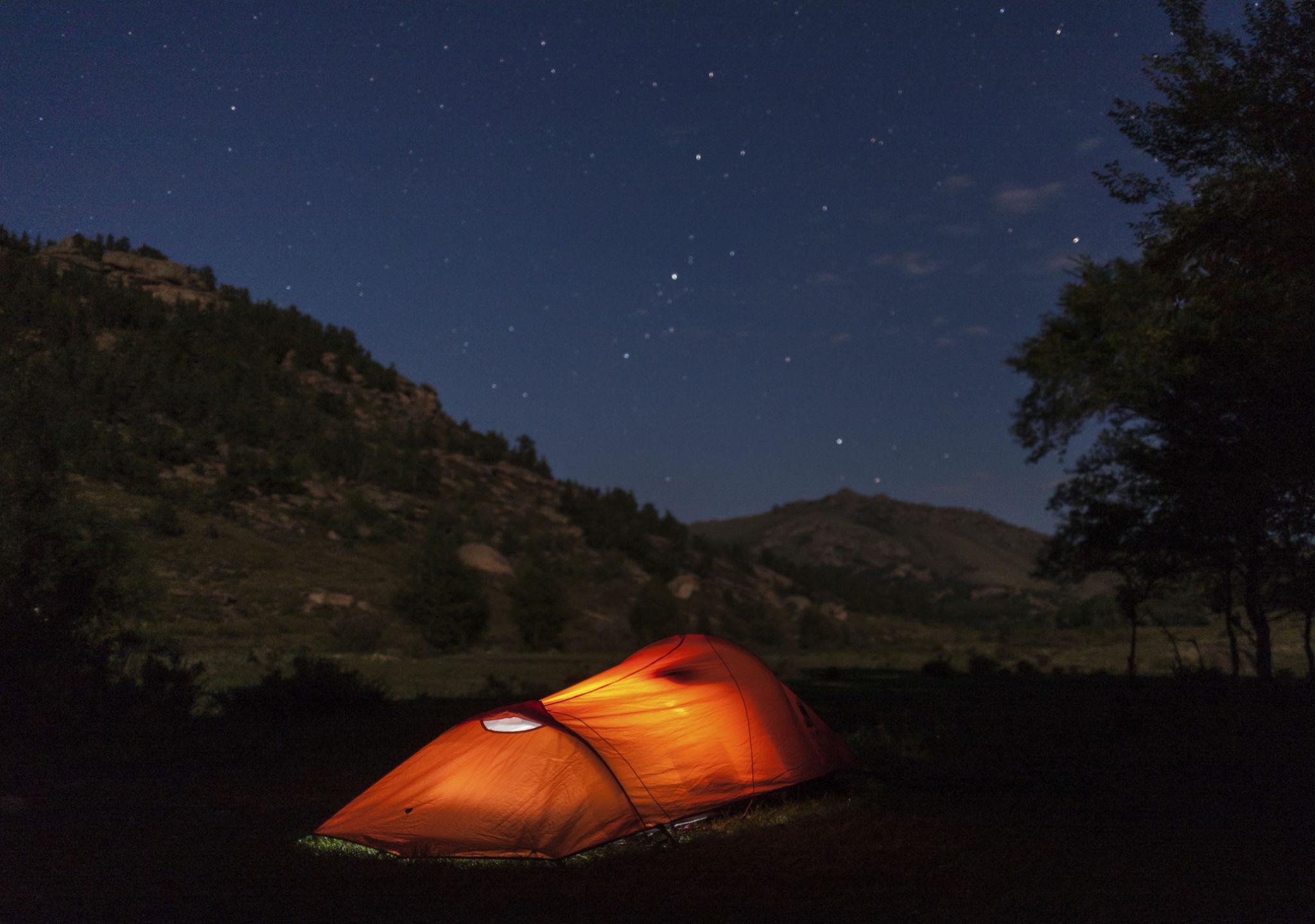
Part 6: A Counterintuitive Point — The Quieter It Is, Sometimes the Harder It Is to Sleep
Many people don’t realize this.
In the city: You get used to “background noise”
In the outdoors: Sometimes it’s “extreme quiet + occasional sudden sounds”
This kind of environment actually,So some people feel: “Too quiet, not used to it”
Part 7: Spatial Sense — You Lost “Control”
Indoors:
- Walls are fixed
- Space is stable
- Outside is isolated
In a tent:
- Fabric is soft
- Wind makes it move
- Sounds come directly through
The brain produces a feeling: Environment not fully controllable
This increases alertness, affecting relaxation
Part 8: Why the Second Night is Usually Much Better
Many people notice: First night is terrible,Second night is obviously better
This isn’t because the environment changed — it’s: You adapted
Specifically:
- Brain lowers alert threshold
- Stops treating every sound as a signal
- Body gets used to temperature changes
This reveals a key point: The problem isn’t the environment itself — it’s your “degree of adaptation” to the environment
Part 9: Truly Effective Methods: Reduce Stimulation, Not Pursue Perfect Comfort
Many people fall into one constantly upgrading gear
But more effective method is: Reduce stimulation sources
✔ Sound
- Avoid wind-exposed positions
- Tighten tent fabric
✔ Temperature
- Adjust before sleeping, not deal with in the middle of the night
✔ Light
- Control light sources
- Adapt to natural rhythms
✔ Space
- Keep organized
- Reduce cramped feeling
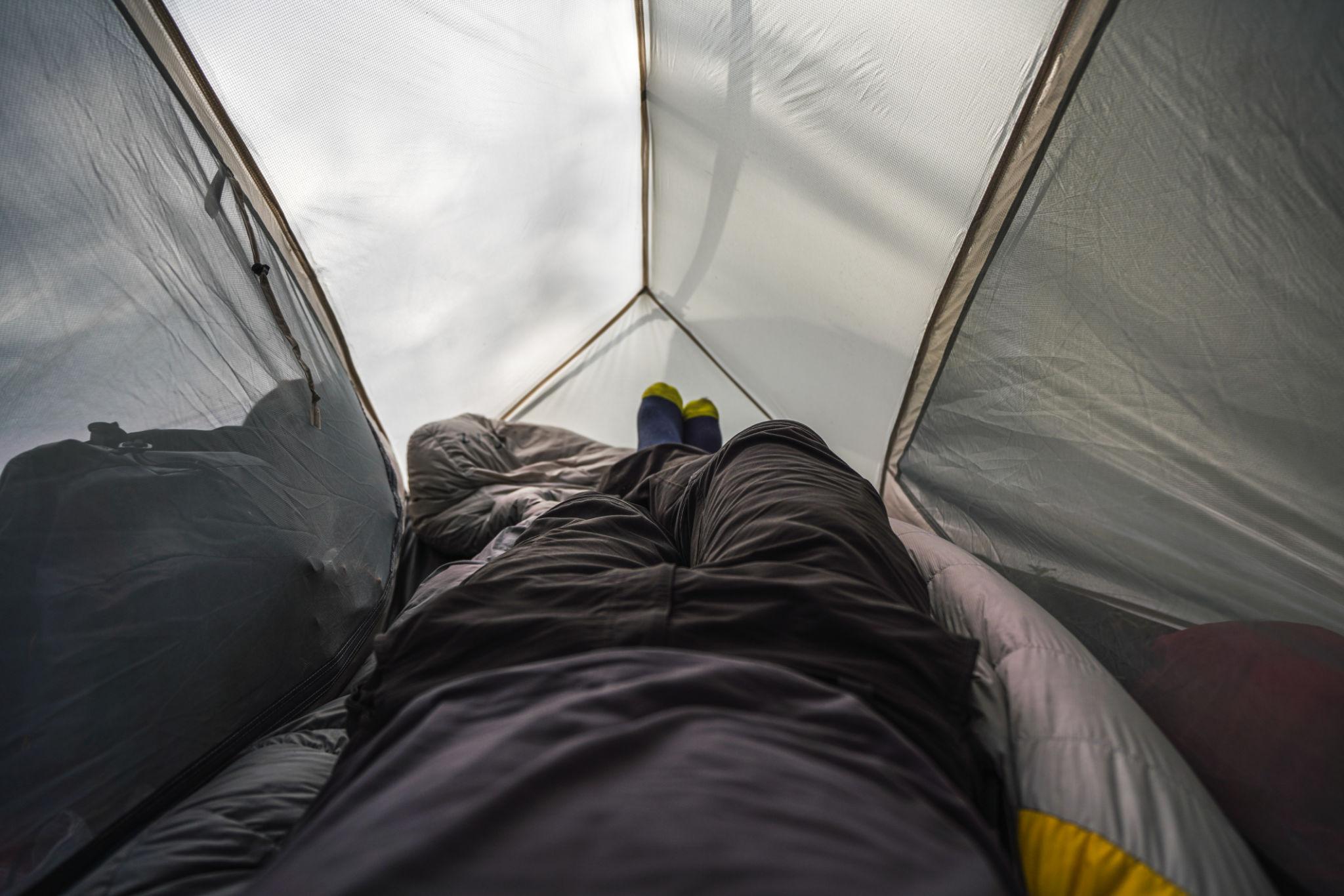
These methods all essentially: Reduce interference, let the brain “relax”
Part 10: Summary (One-Sentence Version)
You don’t sleep well camping, not because:
Not comfortable enough
But because:
Your brain is constantly processing environmental information, never truly entering rest state
Real improvement isn’t making outdoors like indoors — it’s:
Reduce stimulation + gradually adapt