It almost always starts the same way.
You’re lying in your sleeping bag. Your upper body feels fine. Maybe even warm.
But your feet?
👉 Cold.
You shift position. Pull the bag tighter. Maybe curl up a bit.
It helps for a moment. Then the cold comes back.
This Isn’t Random — Your Body Is Prioritizing Survival
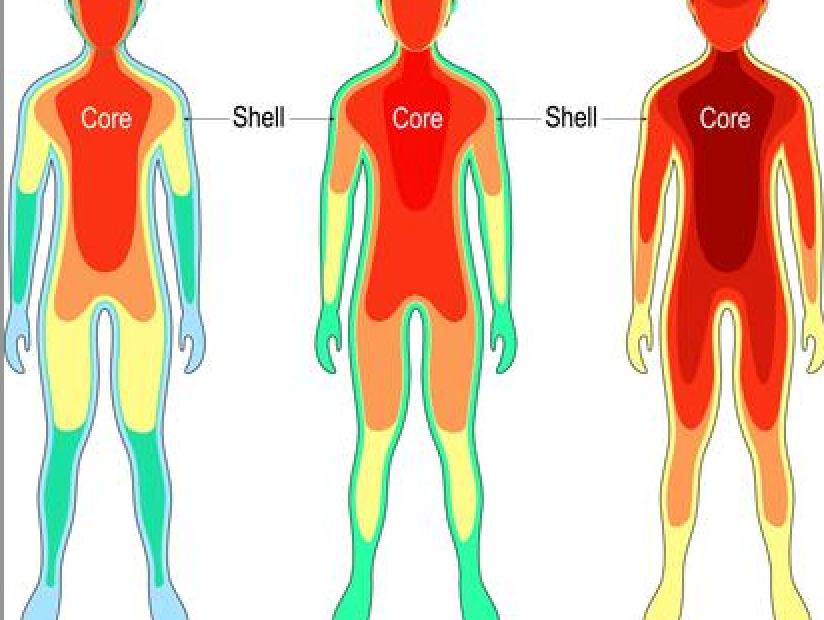
When your body senses cold, it doesn’t try to keep everything warm.
It makes a decision.
👉 Protect the core first.
That means:
- heart
- lungs
- vital organs
To do that, your body reduces blood flow to your extremities — hands and feet.
This is called vasoconstriction.
👉 Less blood = less heat delivered
So even before your gear becomes a problem, your feet are already receiving less heat than the rest of your body.
Your Feet Don’t Generate Heat — They Depend on It
Your core produces most of your body heat. Your feet don’t.
They rely on heat transported from your core through blood flow.
So when blood flow decreases, heat delivery slows — and your feet cool down quickly.
The Footbox Is the Hardest Area to Heat
Now add the sleeping bag design into the picture.
Most sleeping bags have extra space at the bottom. That footbox:
- contains more air
- takes longer to warm up
- loses heat faster

👉 Even if your upper body is warm, your feet are sitting in a colder micro-environment.
Heat Arrives There Last — And Leaves First
Think of heat like a flow. It starts from your core and moves outward.
Your feet are the farthest point — the last to receive heat. At the same time, they lose heat quickly, especially if surrounded by cooler air.
👉 So they are always “behind” in the system.
Cold Air Naturally Settles at the Bottom
Even without wind, air inside your shelter is not perfectly still.
- warm air rises
- cooler air sinks
So inside your sleeping setup, cooler air tends to collect around your feet.
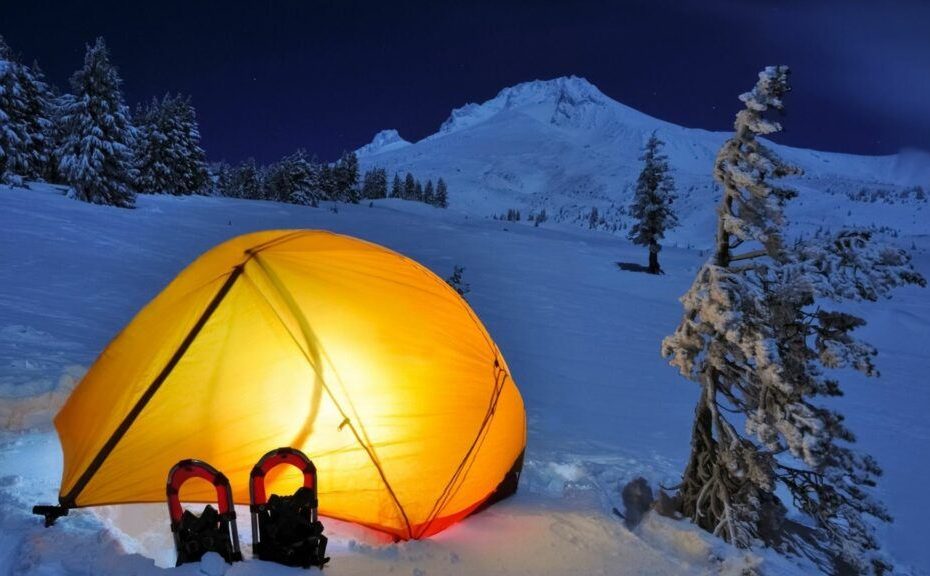
This creates a consistent pattern: the lowest part of your system becomes the coldest zone.
Moisture Often Makes It Worse (But You Don’t Notice It)
Over time, moisture from your body and condensation inside the system can accumulate toward lower areas.
Even slight dampness:
- reduces insulation efficiency
- makes your feet feel colder
What This Feels Like (Very Specific)
This is not full-body cold. It feels like:
- your body is fine
- but your feet never fully warm up
- warmth comes and goes
- adjusting position helps briefly
👉 It’s a localized failure, not a total one.
Real Camp Scenario
You’re camping on a cool night. Your sleeping bag is appropriate. Your upper body feels comfortable.
But your feet feel cold — even after lying still for a while. You try curling up, tucking your feet. It works briefly. Then the cold returns.
👉 Because the system at your feet never stabilizes.
What Actually Works (Not Just “More Warmth”)
Instead of just adding insulation, you need to fix three things: heat delivery, air volume, and heat loss.
1. Reduce the Air Volume in the Footbox
This is one of the most effective fixes. Put a jacket or clothing at your feet to fill empty space.
👉 Less air = faster heat buildup = more stability.
2. Keep Your Feet Dry (Critical)
Even slightly damp socks will reduce insulation and increase heat loss. Always change into dry socks and avoid sleeping in damp layers.
3. Pre-Warm the Space
Don’t expect instant warmth. Put your feet in early and give time for heat to build.
4. Fix the Ground Problem Under Your Feet
Very common mistake: feet partially off the sleeping pad. This causes direct heat loss to the ground. Make sure your pad fully supports your feet.
5. Reduce Airflow at the Bottom
Block low drafts and avoid openings near your feet. Even small airflow makes a difference here.
3 Practical Tips Most People Miss
Tip 1 — Cold Feet Is Often a “System Design” Problem
Not just insulation — it’s airflow, space, and heat distribution.
Tip 2 — Fixing Feet Is Often Faster Than Fixing Your Whole Body
Small targeted changes can solve the problem quickly.
Tip 3 — If Your Feet Are Cold, Your System Is Already Struggling
It’s an early warning signal.
The Real Takeaway
Your feet get cold first not because something is wrong — but because:
they receive less heat, sit in more space, and lose heat faster than any other part of your body
Once you understand that, the solution changes:
👉 Don’t just try to “add warmth” — make it easier for heat to reach and stay at your feet.