Why You Feel Cold While Camping (Even Without Wind)
Some nights feel colder than they should.
You check the temperature—nothing unusual.
Your sleeping bag should be warm enough.
There’s no obvious wind.
And yet:
- you don’t feel comfortable
- warmth comes and goes
- you wake up colder than expected
This is where things get confusing.
Because two opposite ideas both seem true:
- not enough airflow makes you cold (moisture)
- too much airflow makes you cold (heat loss)
So what are you supposed to do?
👉 The answer is not “open or close your shelter.”
👉 It’s learning how to control airflow — and how to read what your body is telling you.
First, Understand What You’re Controlling
You are not controlling “wind.”
You are controlling:
how fast air moves around your body
That speed determines two things:
- how much heat you lose
- how much moisture builds up
The Warm Air Layer (Why Air Movement Matters)
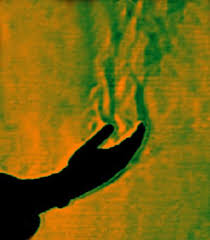
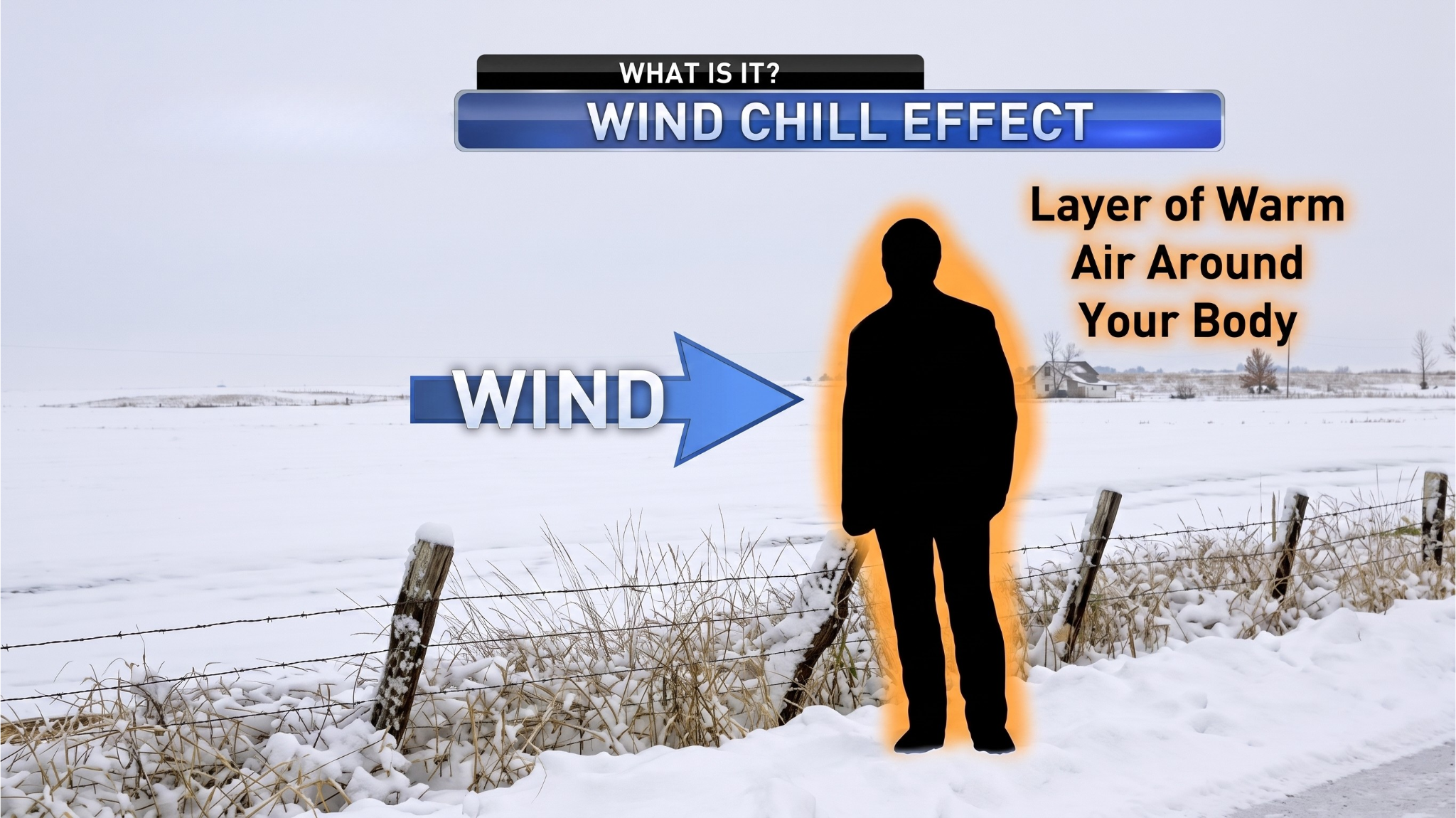
When you stay still, your body warms the air right next to you.
This forms a very thin layer (just a few millimeters to a few centimeters thick).
That layer helps you stay warm.
But only if it stays still.
Once air starts moving:
- that layer gets stripped away
- cold air replaces it
- your body has to start over
👉 this is why airflow can make you feel cold—even without wind
The Two Ways Air Can Make You Cold
Now we separate the problem clearly.
🟦 Too Much Airflow → You Can’t Stay Warm
This happens when:
- your tarp is too high
- your shelter is too open
- air moves freely through your setup
What it feels like:
- you feel cold from the beginning
- your sleeping bag never really warms up
- warmth comes and goes
- sometimes you feel slight airflow on your face or body
👉 your warm air layer never stabilizes
🟥 Too Little Airflow → Moisture Builds Up
This happens when:
- your shelter is fully sealed
- no air exchange
- humidity increases over time
What it feels like:
- you feel okay at first
- you get colder later (especially after midnight)
- your sleeping bag feels slightly damp or heavy
- the air feels a bit “stuffy”
👉 insulation slowly becomes less effective
The Most Useful Field Test (Use This at Camp)
If you only remember one thing, use this:
Cold from the start = too much airflow
Colder over time = not enough airflow
This simple check works surprisingly well in real situations.
How to Adjust Your Setup (Step-by-Step)
Instead of guessing, do this.
Step 1 — Start With Small Ventilation
- open a small gap
- not fully open, not fully sealed
Step 2 — Wait 10–20 Minutes
Let your system stabilize.
Step 3 — Read What Your Body Tells You
- feels warmer → you had too little airflow (moisture problem)
- feels colder → you now have too much airflow
Step 4 — Fine-Tune
- too cold → reduce airflow slightly
- too stuffy → increase airflow slightly
👉 You are “tuning,” not choosing once
Where to Adjust (Practical Setup Tips)
1. Avoid Airflow Hitting Your Body Directly
- don’t aim openings toward where you sleep
- airflow should move above or around you
2. Open High, Not Low
- warm air rises
- opening higher points removes moisture
- without disturbing your body-level warmth
3. Lower Your Shelter in Cold Conditions
- reduces airflow
- improves stability
4. Block Wind First, Then Vent
If there is wind:
- block wind
- then add controlled ventilation
Real Camp Example
You’re under a tarp:
- no strong wind
- but it feels cold
You try this:
- lower one side slightly
- leave a small gap on the opposite side
Result:
- airflow slows down
- moisture still escapes
- temperature stabilizes
👉 this is the balance you’re aiming for
3 Practical Observations
Tip 1 — “No Wind” Doesn’t Mean No Air Movement
Even calm nights have airflow.
Tip 2 — Warmth Needs Stability
If your warmth feels inconsistent, airflow is usually the reason.
Tip 3 — Small Changes Matter
A few centimeters in height or angle can change how warm you feel.
The Real Takeaway
Staying warm outdoors is not about sealing everything
and not about opening everything.
It’s about this:
keeping air moving slowly enough to remove moisture —
but not fast enough to remove your warmth
Once you understand that, you stop guessing.
And start adjusting.