Your Sleeping Bag Isn’t the Problem — The Ground Is
A lot of people have had this exact moment:
You checked the temperature rating.
You picked a “warm enough” sleeping bag.
You zipped in, lay down… and after a while, you still feel cold.
So naturally, you think:
“I need a warmer sleeping bag.”
But in many cases, that’s not the real issue.
What’s actually happening is much simpler—and much easier to fix once you understand it:
👉 You’re losing heat to the ground, not the air.
The Part Most People Miss: Heat Doesn’t Just Go Up
We often think of “cold” as something that comes from the air.
Cold wind, cold night, cold temperature.
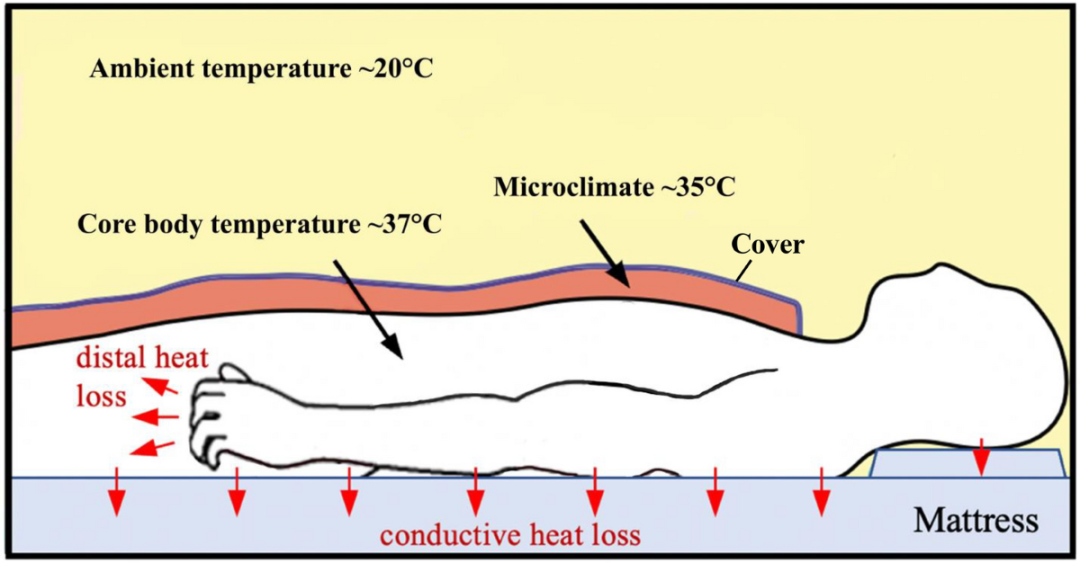
But when you’re lying down, the biggest heat loss is often happening below your body, not above it.
Your body is warm.
The ground is colder.
So heat naturally flows:
👉 from your body → into the ground
Why Your Sleeping Bag Fails Under You
Sleeping bags work by trapping air.
That trapped air is what slows down heat loss.
But when you lie on your sleeping bag, something important happens:
👉 You compress the insulation underneath you
Once compressed:
- the air pockets disappear
- insulation stops working
- heat flows directly into the ground
So even if your sleeping bag is rated for low temperatures:
👉 the part under you is almost doing nothing
What This Feels Like in Real Camping
This is not theoretical—you can recognize it immediately if you’ve experienced it.
Typical signs:
- Your back or hips feel cold first
- Your top side feels relatively warm
- You keep turning, trying to “find a warm spot”
- The cold feels like it’s coming from inside the ground
If that sounds familiar, your sleeping bag is not the issue.
The Missing Piece: Ground Insulation
To stop heat loss to the ground, you need something that doesn’t collapse under your weight.
That’s where a sleeping pad comes in.
Unlike a sleeping bag:
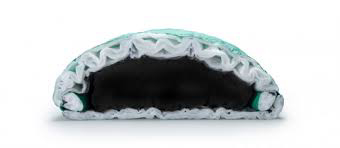
- a pad is designed to resist compression
- it creates a barrier between you and the ground
- it slows down heat transfer effectively
A Simple Way to Understand It
Think of it like this:
- Sleeping bag = keeps heat around you
- Sleeping pad = stops heat escaping downward
You need both.
Without ground insulation, your system is incomplete.
Why Buying a Warmer Sleeping Bag Doesn’t Fix It
This is where many people go wrong.
They feel cold → upgrade sleeping bag → still feel cold.
Because:
👉 the problem was never the top insulation
No matter how thick your sleeping bag is,
if the bottom is compressed, heat will keep escaping.
What Actually Works (Practical Fixes)
You don’t need to replace everything.
You just need to fix the weak point.
1. Use a Sleeping Pad (and Choose the Right One)
If you camp in cooler conditions, your pad matters more than your bag.
Look at R-value (insulation rating for pads):
- Low R-value → summer only
- Higher R-value → better insulation from cold ground
You don’t need to overthink numbers. Just know:
👉 if your back feels cold, your pad isn’t enough
2. Double Up If Needed
If it’s colder than expected:
- combine a foam pad + inflatable pad
- or use extra insulation underneath
Simple, effective, no need to upgrade your bag immediately.
3. Don’t Go Straight Onto the Ground
Even a small layer helps:
- foam pad
- folded blanket
- extra clothing
Anything is better than nothing.
4. Pay Attention to Ground Conditions
Different ground = different heat loss
- wet ground → colder
- rock → conducts heat faster
- grass or dry soil → slightly better
Sometimes just moving a few meters makes a difference.
A Real Scenario You Might Recognize
You’re camping on a clear night.
- No wind
- Not extremely cold
- Sleeping bag seems appropriate
You lie down, and after an hour:
- your back feels cold
- you curl up to compensate
- sleep becomes uncomfortable
Nothing is “wrong” with your gear.
You just skipped the most important layer.
3 Small Tips That Make a Big Difference
Tip 1 — If One Side Is Cold, It’s Usually the Ground
Top cold = insulation problem
Bottom cold = ground problem
Tip 2 — Sit Pad Trick
Put a small foam pad under your hips or shoulders.
Even a small extra layer there can noticeably improve warmth.
Tip 3 — Don’t Assume “Thicker Bag = Warmer Sleep”
Without ground insulation, a thicker bag just makes the top warmer.
The bottom still loses heat.
The Real Takeaway
If you remember one thing, make it this:
Your sleeping bag doesn’t fail — it just can’t work under compression.
Warmth outdoors is not about one piece of gear.
It’s a system:
- your body
- your sleeping bag
- the ground
- and what’s between you and it
Once you fix the ground layer, everything else starts to make sense.